Few cities appear as often in the story of the first Christians as Antioch on the Orontes, today's Antakya in southern Türkiye. In the Roman period it was one of the largest cities of the eastern Mediterranean, and it became one of the earliest centres of the new faith beyond Jerusalem.
What the sources record
The Book of Acts records that it was in Antioch that "the disciples were first called Christians" (Acts 11:26). Barnabas brought Paul to the city, and the two taught there for a year before the community sent them out on their first missionary journey (Acts 13:1–4). They left through Seleucia, Antioch's port on the coast near today's Samandağ.
What tradition holds
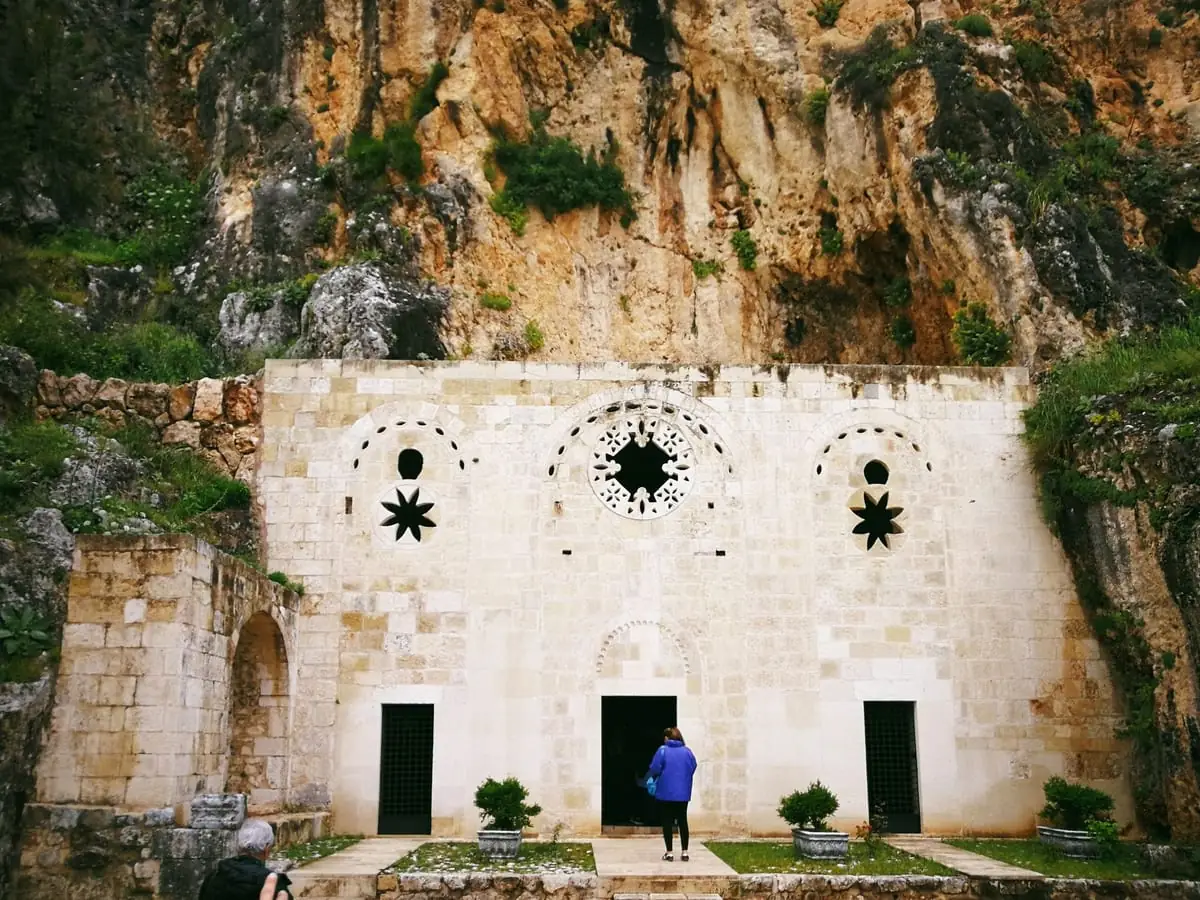
Christian tradition also associates Antioch with the Apostle Peter, and a cave church on the slopes above the city, known today as the Church of St Peter or St Pierre Church, is linked with the city's first Christian community. The cave itself is ancient; its façade is much later. For many visitors it is the heart of a visit to Antioch, whatever their own tradition.
A city of many faiths
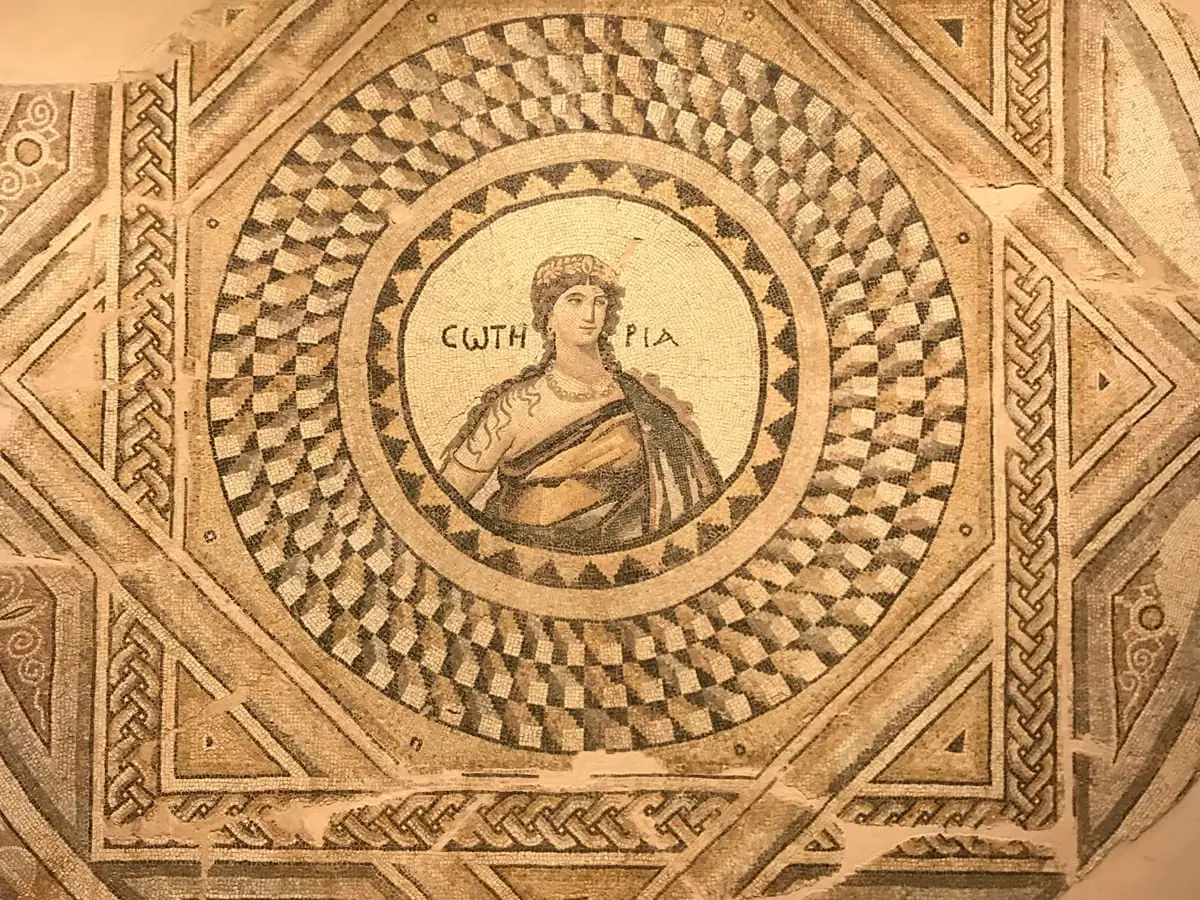
For centuries Antioch was home to Christian, Muslim and Jewish communities living side by side. That shared heritage is part of what makes the city distinctive, from its places of worship to its kitchens. The Hatay Archaeology Museum holds one of the most important collections of Roman-era mosaics anywhere, and Hatay has been a UNESCO Creative City of Gastronomy since 2017.
Planning a visit
A day in Antakya can combine the city's early Christian sites with its museum and its food. Many travellers include it in a longer journey with Tarsus, Paul's birthplace, or with Cappadocia and Istanbul.